"DL E&C Effectively Manages Risks Across Sites with Meissa"
Construction sites are inherently complex, involving multiple partners, processes, and dozens of workers on a daily basis. Capturing on-site conditions accurately and consistently is a core element of effective project management. In particular, timely and reliable field records play a critical role in preventing and resolving issues that may arise when collaborating with multiple external partners and stakeholders.
In this context, DL E&C adopted Meissa. Rather than simply collecting data, Meissa integrates on-site information into a unified data flow, ensuring consistency across work environments. This integrated approach enhances project efficiency and supports informed decision-making based on clear and reliable data at every stage.
Challenge : Low on-site adoption of new technologies
Q. Please Give Us a Brief Introduction.
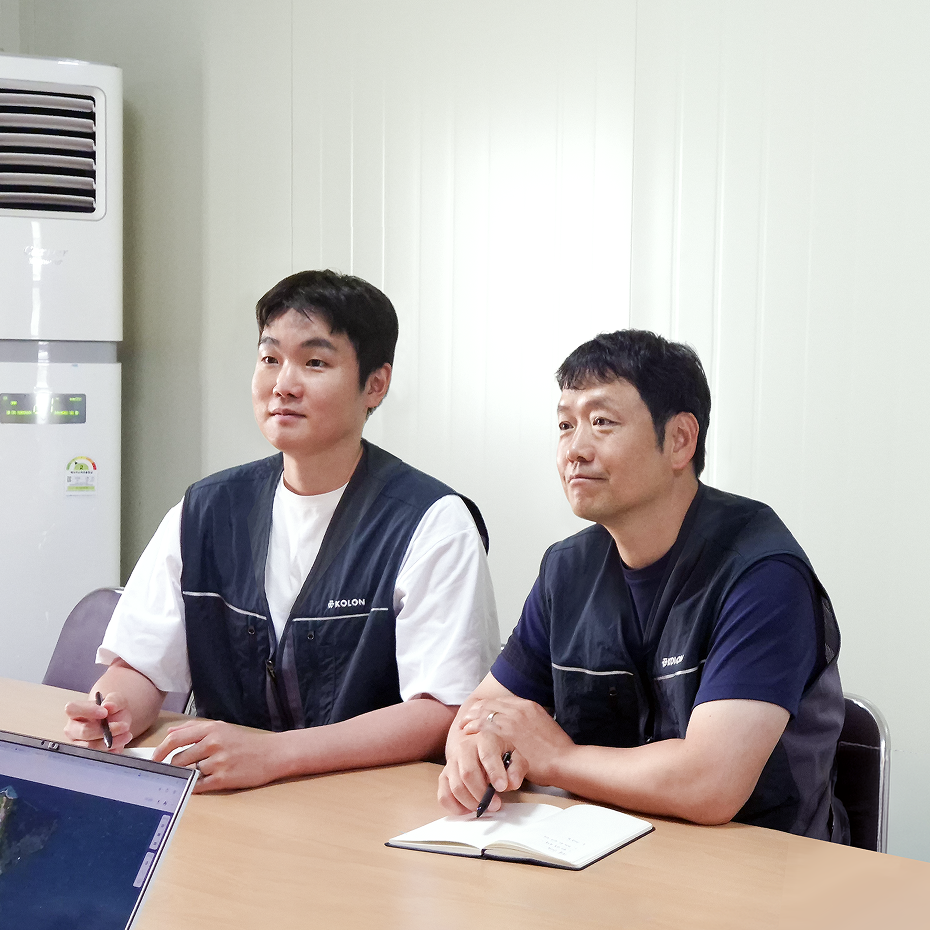
We are part of the Convergence Technology Team, which focuses on applying advanced technologies to the construction industry. Our work spans smart construction, smart homes, and visualization solutions using drones, AI, VR, and sensor technologies. Our mission is to introduce new technologies and accelerate their adoption across construction sites. Meissa was introduced with the same goal in mind. Our biggest challenge today is finding ways to make these technologies easy and intuitive for on-site teams to adopt and use.
Q. Why did you choose Meissa as your drone platform?
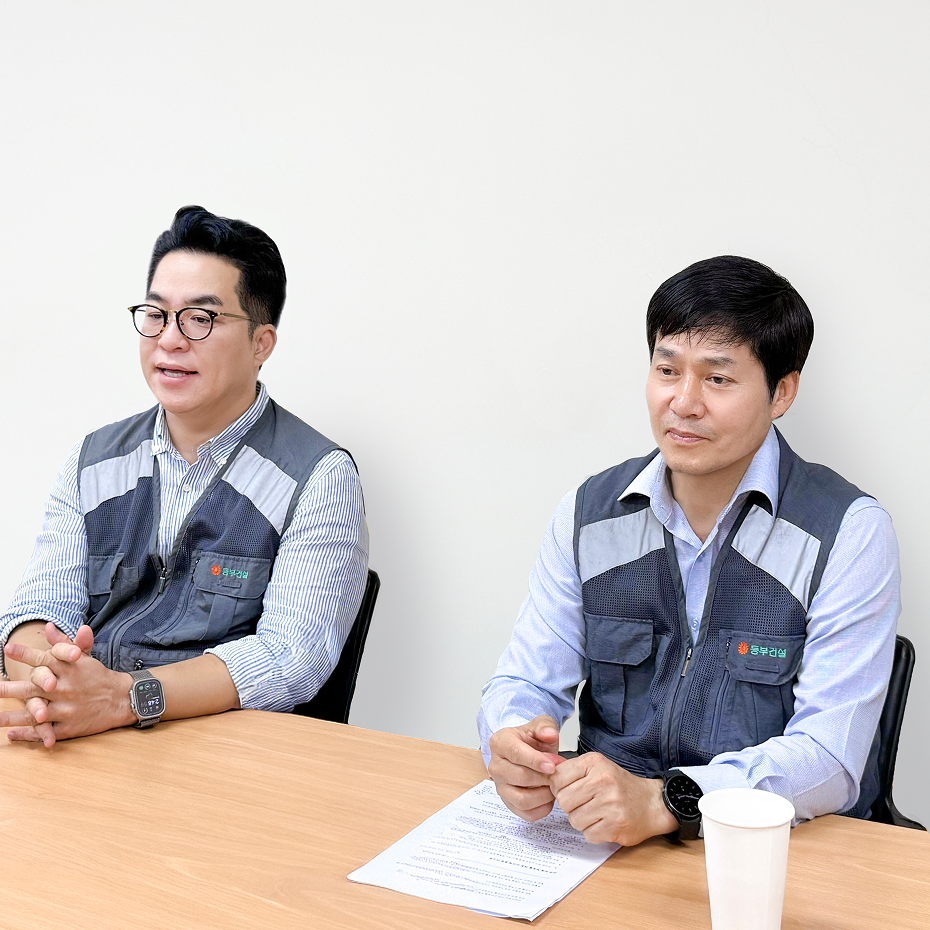
The primary goal of adopting a drone platform was to improve on-site productivity and streamline company-wide record management. By digitizing and automating tasks that were previously handled manually, construction, process, and safety operations can be managed more efficiently. Simple panoramic photos alone are not sufficient. The platform must enable easy measurement of location, distance, area, and volume based on accurate spatial data, and clearly visualize differences between design drawings and actual site conditions. This approach has been applied consistently across more than 70 sites.
Before adopting Meissa, an overseas platform was used for similar purposes, and users were initially impressed. However, over time, it became increasingly difficult to address on-site needs. The platform was largely limited to viewing photos and lacked practical functionality for process, construction, and safety management. As a result, usage gradually declined. In this regard, the key reasons for choosing Meissa were its continuous customer support and strong potential for future development.
Tasks that previously required more than 10 hours, such as earthwork volume calculations, can now be completed in just 10 minutes with Meissa. Preparation time for daily safety and process meetings, which once took over an hour each day, has also been eliminated. Overall workflows have been significantly simplified, resulting in high satisfaction levels both on-site and at headquarters.
Managing the entire site through one platform
Q. How is Meissa currently used?
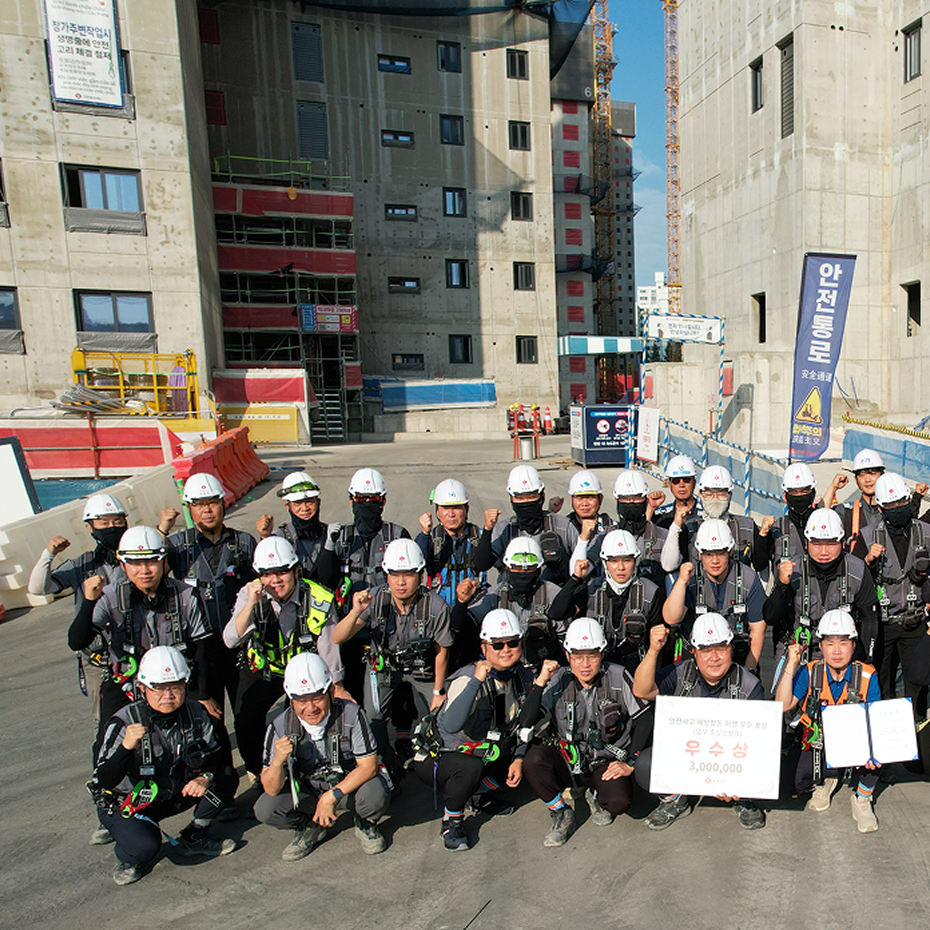
Through standardized operations, Meissa is currently used across approximately 70 housing, civil engineering, and plant sites. This consistent work environment enables smooth communication within sites, between sites and headquarters, and with external partners, while significantly improving overall work efficiency.
With the Meissa drone platform, users can view 2D orthophotos and 3D models together, eliminating blind spots and enabling far more accurate and intuitive site understanding. Using the same standardized site data, teams across all locations can establish plans, identify discrepancies between drawings and actual conditions, calculate quantities, and make informed decisions.
Previously, only total earthwork volumes could be calculated by zone, making it difficult to manage trends by date or type and to control earthwork processes in the early stages of construction. With Meissa, performance can be tracked against planned earthwork volumes, enabling quantity calculations by date, zone, and characteristics, as well as integrated construction and settlement management. As a result, earthwork-related construction and settlement issues have been significantly reduced.
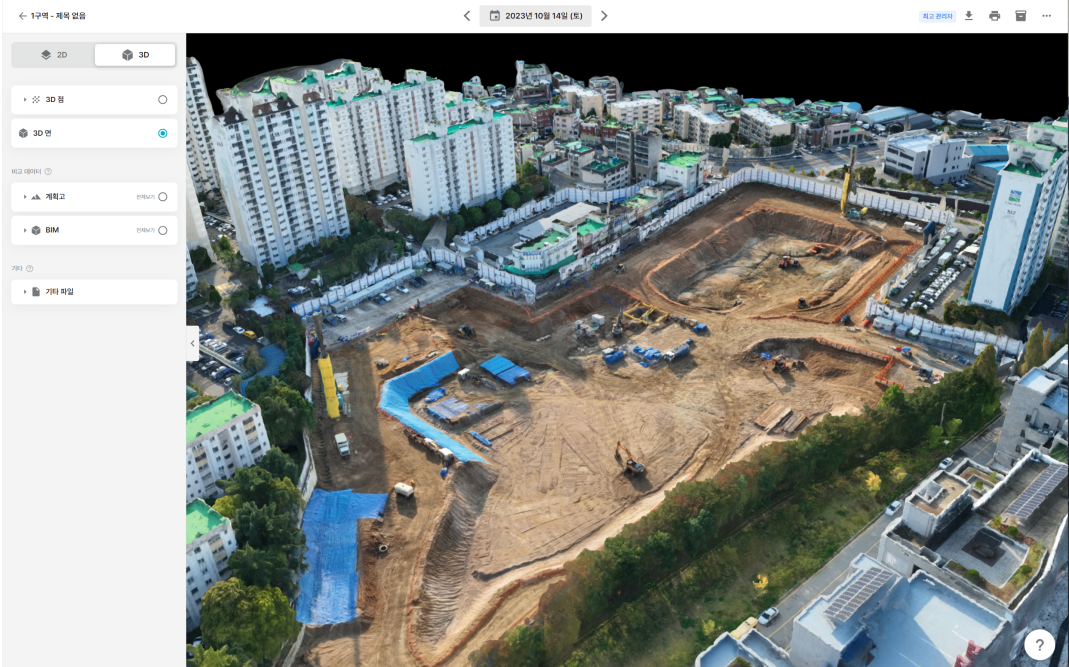
e-Pyeonhansesang Siheung Double Square New Construction Site in Progress
“When an issue arises, the exact information needed is often missing.”
Q. How are the recorded data used in practice?
The recorded data are actively used to respond to on-site issues. No matter how carefully records are managed, gaps in field data can still occur. There is even a saying that when a problem arises, the exact information needed is missing. In practice, the physical distance between headquarters and construction sites often increases communication costs. By adopting a drone platform that enables 3D visual communication, DL E&C has reduced these communication gaps. Storing drone data on the platform allows sites to improve productivity while preventing risks caused by missing or incomplete records.
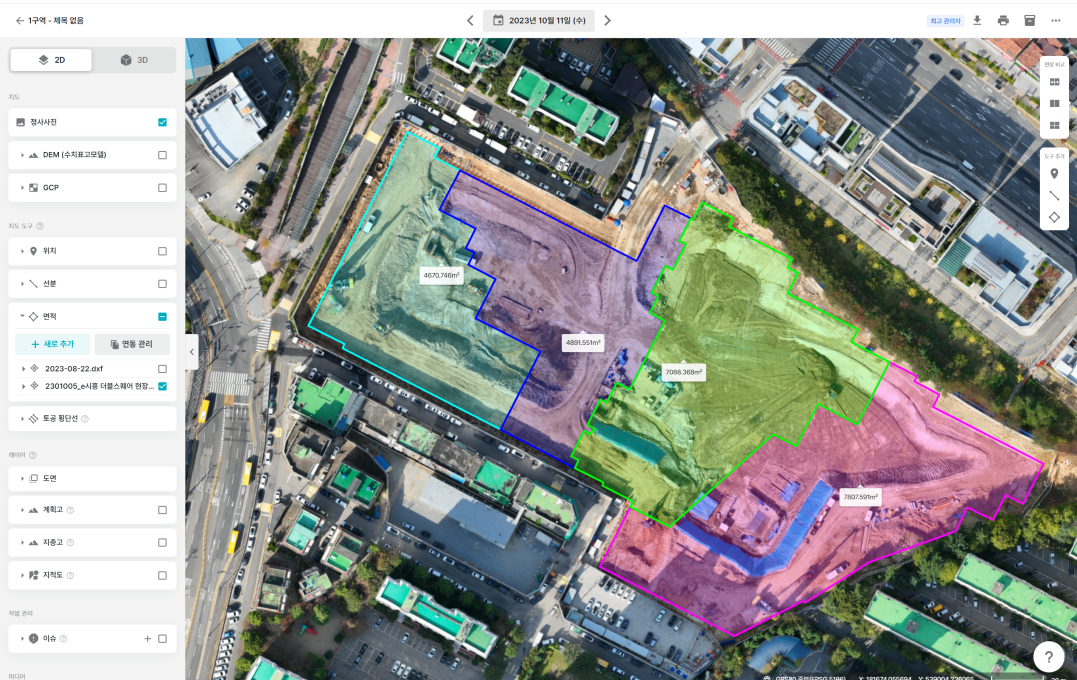
Zoning area drawing function applied to the field.
A clear example of risk prevention is Meissa’s earthwork performance management platform. Previously, it was difficult to manage and settle earthwork quantities based on order volume and characteristics. With the Meissa platform, the entire process—from quantity calculation to progress management and settlement—can be handled efficiently. As a result, employee productivity has improved significantly, and recurring disputes with partner companies have been eliminated.
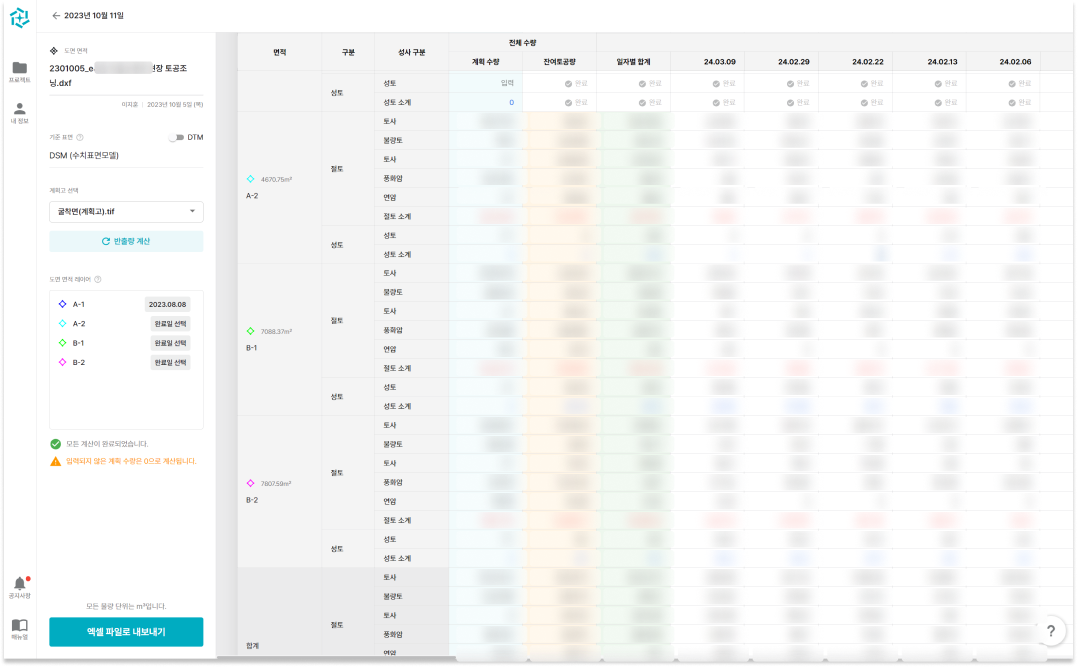
Earthwork tally table function used at the Siheung Double Square construction site
DL E&C and Meissa: Building the Future of Smart Construction Together
Q. What are your future plans with Meissa?
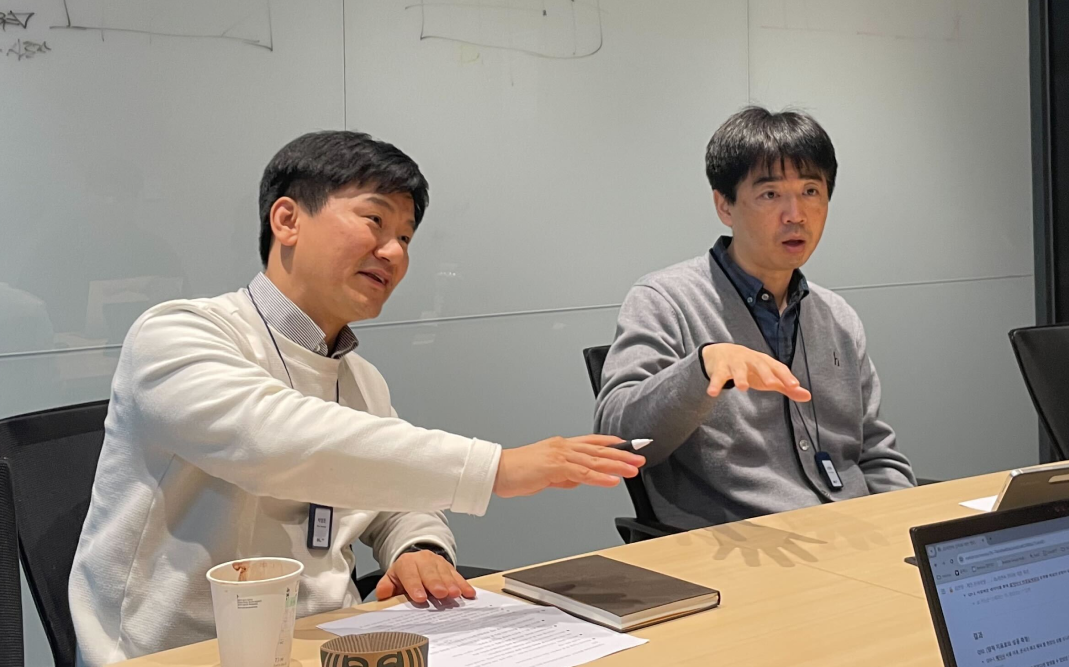
A drone-based construction site management solution must go beyond simply providing 3D digital twin data and deliver functions that address real on-site needs. One example is the earthwork performance management solution jointly developed by DL E&C and Meissa in 2023.
DL E&C plans to continue its collaboration with Meissa by further developing quality control and safety management solutions for pile work and structural work, and by expanding the scope of application across construction operations.